.ai%20(608%20x%2055%20px)%20(1).png)


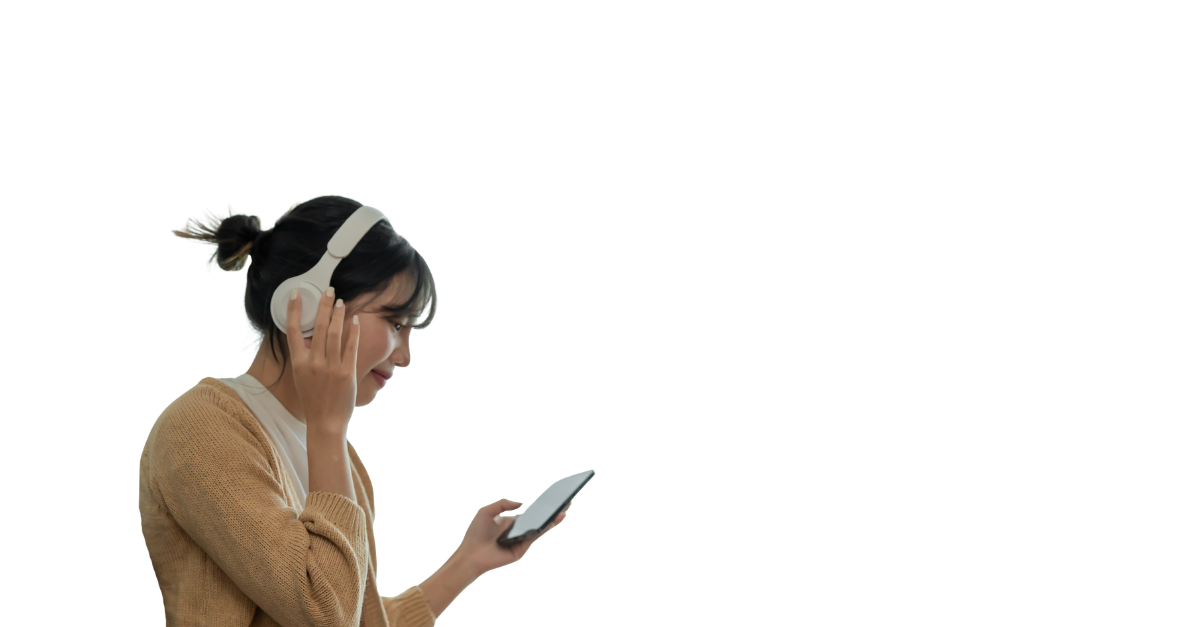
Streaming audio ads provide brands the ability to reach audiences across premium music, podcast, and digital radio inventory while leveraging first-party data to deliver messages to the right listener at the right time
Streaming audio advertising can achieve increased brand awareness amount high-intent shoppers, drive incremental website traffic, and extend reach beyond traditional display and video.



_(From_-_Dr.webp)



Lambos Digital has delivered one of the most efficient streaming video buys we’ve made. They’ve generated good impressions and clicks on our website. Overall, they’ve delivered on their ability to raise awareness about our brand efficiently.

Working with Lambos Digital, we took a step back to analyze our current spend, digital strategies, and overall performance. That deep dive led to a restructuring of our media buying approach, prioritizing high-efficiency campaigns that drive better long-term results. By eliminating unnecessary fees and refining our audience targeting, we’re not only saving money but also increasing opportunities—an absolute WIN-WIN!

Vasilios is clear, concise, timely, and transparent to work with. His knowledge of paid media, and digital technology shine through during planning, execution, and reporting. If you have the chance to work with him, jump at it, because he is a true partner.

Lambos Digital is an incredible high-touch partner that reacts quickly to market changes and client needs. You will not regret reaching out!

Lambos Digital is insightful, strategic, and knowledgeable in the vast digital marketing landscape. Vasilios is a great partner to have and we're so happy to work with him!

Lambos Digital has been an absolute game-changer for my startup. The team's deep understanding of paid search platforms and their ability to craft compelling ad copy and visuals have led to a drastic increase in website traffic, engagement, and most importantly, leads. I'm thrilled with the results and grateful for their exceptional service.
.png)
Since the engagement started, impressions have grown 30% each week, and in-store traffic has increased each month. Lambos Digital's services have been integral to driving The Lights Cafe store traffic. They are an efficient, communicative group.
%20(1).png)
Lambos Digital's Streaming TV service has been a game-changer for my business. Their expertise and strategic approach not only brought in a flood of targeted traffic but also significantly increased our conversion rates, ultimately leading to a substantial boost in revenue.
%20(2).png)
The costs associated with audio advertising can vary depending on factors such as ad inventory availability, targeting options, ad formats, ad length, and the demand for specific audiences or content. Audio advertising can be priced on a CPM (Cost Per Thousand Impressions) or a fixed-rate basis, and the overall costs should be assessed based on the campaign goals and expected returns.
Traditional radio relies on broad station-based and estimated audience demographics, making it difficult to precisely target or measure true performance. Streaming audio ads leverage first-party data and digital measurement to reach specific, high-intent audiences and connect listens to real downstream actions like site visits, searches, and conversions.
The biggest difference for advertisers between streaming audio and traditional radio comes down to precision and accountability. Traditional radio buys reach by station and time slot. You're paying to reach everyone listening, even if they're not in-market for a product or service. Measurement is largely modeled, making it difficult to know which ads actually influenced sales. Streaming audio through a demand side platform allows advertisers to target real shoppers based on first-party behaviroral signals, such as recent vehicle research, service-related browsing, past purchases, and lifestyle events. In short, streaming audio delivers awareness plus actionable performance data and targeting.


.png)